by Gateway Transporation | Oct 10, 2025 | Business
Understanding the Transportation Industry
The transportation industry is an integral component of global commerce, encompassing a wide array of services and structures that facilitate the movement of goods and people. The sector is broadly divided into several key components, such as freight shipping, logistics, supply chain management, and passenger transport. Each of these elements not only fulfills specific functions but also interconnects to create a cohesive system that supports business operations and contributes to economic growth.
Freight shipping is the backbone of commercial activities, ensuring that products reach their intended markets in a timely and efficient manner. This segment of the industry relies on various modes of transport, including road, rail, air, and maritime, to deliver goods across local, national, and international borders. Logistics, on the other hand, involves the planning, execution, and management of the flow of products, encompassing several processes such as inventory management, warehousing, and order fulfillment. These aspects work hand-in-hand with freight shipping to optimize delivery routes and reduce costs, ultimately enhancing business efficiency.
Supply chain management plays a pivotal role in integrating these elements, as it seeks to improve the entire process from raw material sourcing to final distribution. By focusing on collaboration and information sharing among stakeholders, companies can enhance productivity and responsiveness to market demands. Moreover, passenger transport is equally crucial in connecting communities, supporting tourism, and facilitating workforce mobility, which in turn fuels local economies.
Overall, the transportation industry serves not only as a facilitator of trade and commerce but also as a catalyst for economic development and social interaction. Its effectiveness directly impacts businesses and local communities, making it a critical determinant of business success in today’s interconnected world. Understanding the intricate workings of this industry is essential for stakeholders aiming to navigate the complex landscape of modern commerce.
The Role of Transportation in Supply Chain Efficiency
Transportation plays a pivotal role in enhancing the efficiency of the supply chain, acting as the critical link connecting suppliers, manufacturers, and consumers. The timely delivery of goods and services relies heavily on effective transportation management. Within the framework of supply chain logistics, transportation not only affects the flow of products but also impacts overall inventory management, ultimately influencing a company’s profitability.
One of the most significant concepts in supply chain logistics is just-in-time (JIT) delivery, which aims to minimize inventory costs by ensuring that products arrive precisely when needed. Employing a JIT strategy requires seamless transportation to synchronize the arrival of goods with production schedules. Consequently, any delays in transportation can lead to production downtimes and increase operational costs, demonstrating the delicate balance that businesses must maintain to ensure efficiency.
Moreover, transportation delays can have a cascading effect on supply chain performance. When deliveries are late, it can disrupt inventory levels, leading to either excess stock or shortages, which can hinder a business’s ability to meet customer demands. Such inefficiencies can tarnish a company’s reputation and erode customer trust over time. Therefore, businesses must proactively address potential transportation bottlenecks to ensure the smooth flow of goods.
To optimize transportation processes, companies often employ various strategies, including route optimization, utilization of technology for tracking shipments, and collaboration with reliable logistics partners. By analyzing performance metrics such as delivery times and costs, businesses can identify areas for improvement. Implementing these strategies not only enhances transportation efficiency but also contributes to overall supply chain resilience, allowing organizations to adapt swiftly to fluctuations in demand.
Economic Impact of Transportation on Businesses
Transportation plays a fundamental role in the operational success and profitability of businesses across various sectors. The effects of transportation costs on the bottom line are multifaceted, as they directly influence supply chain efficiency, product pricing, and ultimately, consumer purchasing decisions. High transportation expenses can erode profit margins, making it essential for businesses to develop strategies that mitigate these costs. This may involve optimizing delivery routes, renegotiating contracts with freight providers, or investing in technology that enhances logistics management.
Moreover, transportation significantly impacts market reach. With effective transportation solutions, businesses can access a broader customer base, expanding their geographical footprint. Companies that invest in robust logistics systems often find themselves in a position to tap into emerging markets, thereby increasing sales and enhancing their competitive edge. The ability to deliver goods swiftly and reliably can also create a more attractive value proposition for customers, heightening brand loyalty and satisfaction.
Furthermore, transportation influences customer satisfaction, which is a critical component of business success. Efficient and reliable transportation systems ensure timely deliveries and reduce the potential for product shortages or delays, leading to improved customer experiences. For instance, companies like Amazon have built their reputations on exceptional logistics operations that guarantee rapid delivery times; such effectiveness can lead to repeat business and positive word-of-mouth referrals.
Case studies of successful companies illustrate the importance of effective transportation strategies. For instance, a retail firm that overhauled its logistics by investing in a more efficient fleet saw a significant reduction in delivery times and a corresponding increase in sales. Similarly, a manufacturing company that optimized its shipping processes reduced costs significantly and was able to maintain product affordability while still achieving higher profit margins. These examples highlight how critical transportation is to ongoing business growth and sustainability.
Emerging Trends in Transportation and Their Implications for Business
The transportation industry is undergoing significant transformation driven by evolving technologies, shifting consumer expectations, and a growing emphasis on sustainability. One of the most notable trends is the integration of advanced technologies such as Artificial Intelligence (AI) and the Internet of Things (IoT). These innovations are revolutionizing logistics by enabling smarter, more efficient operations. Companies are increasingly leveraging AI algorithms to optimize routing and freight management, thereby reducing costs and improving delivery times. IoT devices, meanwhile, facilitate real-time tracking of shipments, enhancing transparency and allowing businesses to make data-driven decisions.
In addition to technological advancements, sustainability practices are quickly gaining traction within the transportation sector. Businesses are now more aware of their environmental impact and are seeking ways to reduce their carbon footprint. This shift is not only a response to regulatory pressures but also aligns with consumer expectations for corporate responsibility. As a result, many organizations are exploring alternative fuels, electric vehicles, and more efficient logistics strategies. By adopting these sustainability practices, companies can not only comply with environmental standards but can also differentiate themselves in a competitive marketplace.
Furthermore, the rise of e-commerce and changing consumer behavior have led to innovations in last-mile delivery solutions. Businesses are experimenting with various models, including drones and autonomous vehicles, to meet the demand for faster delivery times while managing operational costs. As urban areas become more congested, the need for efficient transportation solutions becomes even more critical. Addressing these challenges requires adaptability, as companies must remain agile in the face of rapid changes and consumer preferences.
Staying ahead in the evolving landscape of transportation necessitates a proactive approach to these emerging trends. Businesses that embrace technological integration, sustainability, and innovative logistics will position themselves for future success in an increasingly complex commercial environment.
by Gateway Transporation | Oct 10, 2025 | Logistics and Transportation
Understanding White Glove Delivery
White glove delivery refers to a premium service in the logistics and transportation industry, characterized by meticulous handling and care for high-value or delicate items. Unlike standard delivery services that often prioritize speed and efficiency, white glove delivery focuses on providing a detailed and personalized experience from the initial pickup to final placement at the destination. This specialized approach ensures that the items arrive in pristine condition, emphasizing the importance of customer satisfaction and security throughout the process.
The concept of ‘white glove’ originates from the formal attire often associated with high-end service providers, where individuals don white gloves to signify a refined and attentive approach. This level of service includes features such as careful packing, secure transportation, precise handling, and setup of goods upon arrival, making it a preferred choice for customers needing assurance that their possessions will be treated with respect and professionalism.
Various categories of items typically require white glove delivery services. For instance, high-value goods, such as fine art, antiques, and luxury appliances often fall under this category due to their fragility and financial significance. Additionally, oversized products, including large furniture pieces or electronic equipment, demand careful handling during transportation to avoid damage. The delicate nature of these items makes white glove delivery essential, as standard delivery methods may not provide the level of care necessary to safeguard against potential harm or loss.
In conclusion, understanding white glove delivery illuminates the significant differences from traditional delivery solutions. The premium nature of this service, focused on the attentive handling of valuable and sensitive items, underscores its necessity for clients who require extraordinary vigilance during transportation. By recognizing the unique demands of items that typically avail of white glove services, consumers can make informed decisions when selecting their delivery options.
Common Services Offered in White Glove Delivery
White glove delivery is a premium service designed to provide a hassle-free experience for customers, particularly when transporting large or fragile items. The hallmark of white glove delivery is its meticulous handling procedures. Professional delivery teams are trained to ensure that items are treated with the utmost care, minimizing the risk of damage during transit. This specialized approach often involves using custom packaging materials that offer additional protection for the delivered items.
Inside delivery is another critical component of white glove services. Unlike standard delivery, which typically leaves items at the entrance of a location, inside delivery ensures that products are brought directly into the recipient’s home or office. This service is especially valuable for bulky furniture or delicate appliances, as it spares the customer from doing the heavy lifting and navigating through tight spaces.
Unpacking and setup services are often included in white glove delivery packages. Upon arrival, the delivery team will carefully unpack items and set them up as needed. This could include assembling furniture pieces, connecting appliances, or arranging home décor items. By offering these additional services, delivery providers significantly enhance the customer experience, ensuring that items are ready for use upon delivery.
Furthermore, some white glove delivery services extend their offerings to include old item removal. This service is beneficial when customers are upgrading appliances or furniture, as it allows for the convenient disposal of outdated items, avoiding clutter and ensuring a seamless transition.
Installation assistance and organization support can also be part of an elite white glove service. For example, delivery teams may help set up home office equipment or rearrange living spaces according to customer specifications. These comprehensive services not only elevate the convenience factor but also ensure overall satisfaction with the delivery process.
Benefits of Choosing White Glove Delivery
White glove delivery services offer a range of significant advantages that set them apart from traditional shipping methods. One of the primary benefits is the peace of mind that comes with knowing that your goods are being handled with the utmost care. White glove delivery typically includes a dedicated team of professionals who are trained to manage sensitive and valuable items, ensuring that every step—from loading to unloading—is performed with precision and diligence.
Moreover, these services provide considerable time-saving benefits. White glove delivery goes beyond simple transportation; it encompasses setup and installation services, allowing customers to alleviate the burden of these tasks. Clients can rely on the delivery team to not only bring the items to their location but also assemble and position them as required. This convenience means less time spent on logistics and more time enjoying the newly delivered items.
Another critical advantage of white glove delivery is the reduced risk of damage. Compared to traditional delivery methods that often involve minimal handling and care, white glove services prioritize the protection of your items throughout the entire delivery process. By utilizing specialized equipment and techniques, the likelihood of scratches, dents, or other types of damage is significantly mitigated.
In addition to these practical benefits, customer service excellence is a hallmark of white glove delivery. Companies that offer these services often emphasize personalized assistance, providing clients with dedicated points of contact for any inquiries or concerns. This level of engagement fosters a more positive customer experience, as individuals feel valued and supported throughout their purchasing journey.
Ultimately, the myriad benefits of choosing white glove delivery services—including careful handling, convenience, reduced risk of damage, and exceptional customer service—contribute to an overall experience that exceeds conventional delivery options.
How to Choose the Right White Glove Delivery Service
Selecting the appropriate white glove delivery service is essential for ensuring that delicate and valuable items are handled with care. The first consideration should be the reputation of the service provider. Conducting thorough research by reading customer reviews and testimonials can provide valuable insights into the quality of service and reliability. Engaging with previous clients can also offer firsthand accounts of their experiences, helping to gauge whether the service aligns with your expectations.
Another critical factor to consider is the insurance coverage provided by the delivery service. Adequate insurance is vital, especially when transporting high-value items. Ensure that the service offers sufficient protection in case of damage or loss during transit. Requesting proof of insurance and understanding the claims process can safeguard your interests and reduce potential risks.
Personnel training standards are equally important. White glove delivery involves handling items with great care and expertise. Inquire about the training and certifications that the staff undergoes to ensure they possess the necessary skills. A reputable service provider will prioritize employee training, enabling staff members to handle fragile or valuable items safely and expertly.
Cost is another significant factor when choosing a white glove delivery service. While it may be tempting to opt for the lowest-priced option, it is essential to consider the overall value provided. Comparing the services included in the pricing can provide a clearer picture of what to expect. Look for transparency in pricing and avoid hidden fees that could arise after selecting a service.
When engaging with potential service providers, prepare a list of relevant questions. Inquire about their experience with similar items, handling procedures, scheduling flexibility, and customer support. By thoroughly evaluating these aspects, you can make a more informed decision and select a white glove delivery service that meets your specific needs.
by Gateway Transporation | Oct 10, 2025 | Transport and Logistics
Understanding Inside Delivery
So, you’ve heard the term “inside delivery” tossed around in the transportation business, but what is it really? Inside delivery is when a shipment is delivered directly into the recipient’s premises, bypassing the typical drop-off at the curb. This means the delivery crew is not only required to get the goods to the site, but they also have to maneuver inside the facility, often with those pesky stairs, tight hallways, or, if they’re lucky, an open elevator!
Why Choose Inside Delivery?
You might be wondering, “Why bother with inside delivery?” Great question! Choosing this option can save you from the hassle of hauling bulky items yourself. It ensures that your product doesn’t just arrive, but it also sets the stage for easy access. Let’s face it, nobody wants to wrestle with a heavy box or furniture piece in a tight space when you can have professionals do it for you.
Preparing for the Inside Delivery
Once you decide that inside delivery is the way to go, preparation is key! Clear the delivery path and make sure the delivery team can access the area easily. Additionally, let them know any restrictions, like that cat who thinks it owns the whole living room. A well-informed team will make your inside delivery experience smoother than a buttered slide!
In conclusion, inside delivery is all about convenience and professional handling. It’s a little luxury that can make a massive difference in the transportation process. So, the next time you order something big and bulky, consider opting for that inside delivery—the joy of not lifting that item yourself is worth every penny!
by Gateway Transporation | Oct 10, 2025 | Transportation & Logistics
Defining First and Final in Trucking
In the trucking industry, the terms ‘first’ and ‘final’ refer to specific points of a shipment’s journey. The term ‘first’ typically indicates the initial pickup location or the first stop a truck makes when collecting freight. This is an essential part of logistics, as it sets the stage for delivery from the outset. Conversely, ‘final’ pertains to the delivery destination, which is the last point where goods are offloaded. Understanding these definitions is crucial for efficiencies in transportation management.
The Importance of First and Final in Logistics
The sequencing of ‘first’ and ‘final’ is not merely a label; it represents the structure of the shipping process. Properly identifying these endpoints allows carriers, shippers, and receivers to better coordinate logistics. Efficient routing from the first pickup to the final delivery ensures that shipments arrive on time, minimizing delays and optimizing resource allocation. This understanding helps improve communication across various stakeholders in the trucking network.
Real-World Applications
In practice, the concepts of first and final can influence various operational aspects. For instance, a carrier may implement strategies to reduce the time between the first and final points of delivery. By analyzing the logistics chain, companies can identify potential bottlenecks and streamline their processes. This strategic focus on first and final locations assists in developing better logistics solutions, ultimately enhancing customer satisfaction and operational efficiency.
by Gateway Transporation | Oct 10, 2025 | Business and Economics
Introduction to Tariffs and Their Purpose
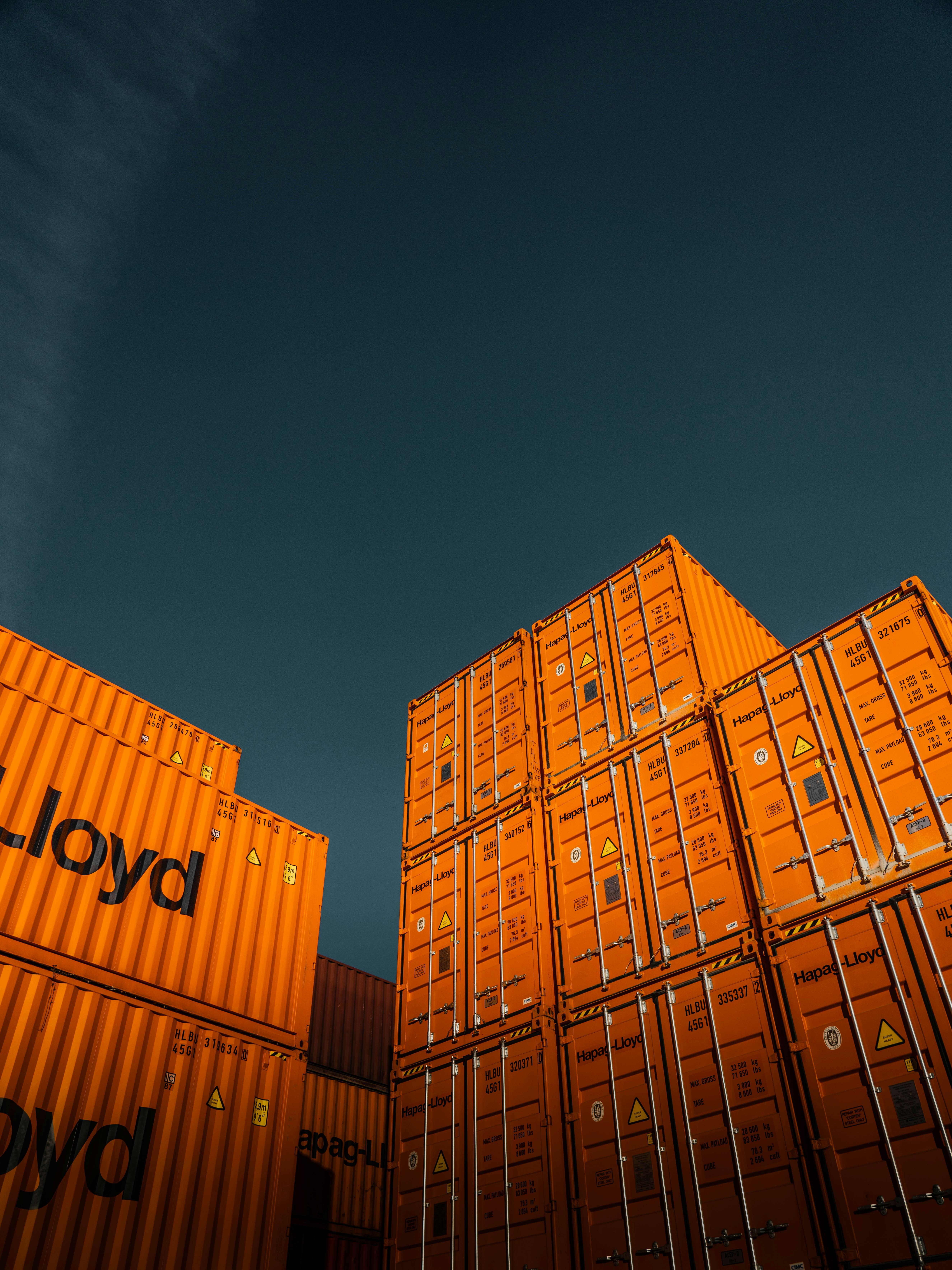
Tariffs are defined as taxes imposed by governments on imported goods, playing a crucial role in international trade. They serve to regulate the volume of trade between countries and are often utilized as a tool to protect domestic industries from foreign competition. By raising the cost of imported products, tariffs can encourage consumers to purchase locally manufactured goods, thereby bolstering the national economy.
Governments implement tariffs for various reasons, including the protection of strategic industries, the generation of revenue, and the fostering of fair trade practices. By taxing imports, a government can create an incentive for consumers to turn towards domestic alternatives, which may help uphold local jobs and stimulate economic growth. Moreover, these levies enable governments to accumulate revenue that can be utilized for public services or infrastructure development.
There are different classifications of tariffs that have implications for logistics and trade dynamics. Specific tariffs impose a fixed fee on a particular quantity of goods, making them straightforward for businesses to calculate. Ad valorem tariffs, on the other hand, are based on the value of the imported goods, resulting in fluctuating costs that depend on market prices. Compound tariffs consist of a combination of both specific and ad valorem tariffs, complicating the pricing structure for importers. Each type of tariff can significantly influence logistics strategies, cost structures, and international trade agreements.
Understanding tariffs and their diverse implications is vital for stakeholders within the logistics industry. As trade relationships evolve, being aware of the complexities and impacts of tariffs facilitates better strategic planning, fosters management of supply chains, and ultimately aids in navigating the intricate landscape of global commerce.
Effects of Tariffs on Logistics Operations
Tariffs significantly impact logistics operations by influencing various aspects such as shipping costs, transit times, and supply chain management. As governments impose tariffs on imported goods, businesses face heightened duties, resulting in an increase in shipping costs. This added financial burden often leads companies to reevaluate their logistics strategies in order to mitigate the impact on their overall operations.
One of the most direct effects of tariffs on logistics is the increase in customs fees and compliance costs. When tariffs are enacted, logistics companies must invest additional resources in understanding and navigating the complex regulatory landscape. This includes ensuring compliance with new customs procedures and documentation requirements, which can lengthen transit times and delay shipments. Consequently, businesses may need to implement more robust compliance measures, adding further costs to their logistics operations.
The increased costs associated with tariffs can also compel businesses to reassess their supply chain management. Many companies may consider shifting their sourcing strategies or looking for alternative suppliers in countries with lower tariff rates. This could involve reevaluating existing partnerships or even restructuring the supply chain to minimize the financial impact of tariffs. Such changes might include adopting new logistics routes or utilizing different carriers that offer more competitive pricing structures, thereby enhancing operational efficiency.
As a result of these influences, logistics operations must be agile and responsive to the evolving global trade environment. The implementation of tariffs necessitates careful planning and strategy adjustments to ensure that businesses not only comply with legal requirements but also maintain their competitiveness in the market. Ultimately, the ability to adapt is crucial for navigating the complexities introduced by tariff fluctuations. In conclusion, understanding the multifaceted effects of tariffs on logistics operations is vital for businesses aiming to optimize their supply chain resilience and cost-effectiveness.
Strategies for Logistics Companies in a Tariff-Driven Environment
In the landscape of international trade, logistics companies are increasingly confronted with the challenges posed by tariffs. To navigate the complexities of a tariff-driven environment, these companies must adopt strategic measures designed to mitigate potential impacts on operations and costs. One fundamental approach is the optimization of supply chains. This involves assessing and modifying existing supply chain processes to enhance efficiency and reduce costs. Companies can identify sources that minimize tariff exposure by consolidating shipments, optimizing routes, and diversifying suppliers.
Leveraging technology also plays a critical role in enhancing efficiency amidst tariff challenges. Utilizing advanced logistics software can facilitate real-time tracking, inventory management, and data analysis to make informed decisions. Automation tools can further streamline processes, allowing logistics firms to adapt swiftly to changing tariff regulations. By employing sophisticated analytics, companies can better predict market trends and prepare for fluctuations in shipping costs attributed to tariffs.
Additionally, seeking alternative sourcing options can significantly reduce dependence on regions heavily impacted by tariffs. By exploring markets with favorable trade agreements or lower tariff rates, logistics providers can sustain their operations while minimizing inflated costs. Establishing robust relationships with customs brokers can also prove advantageous. These experts can provide valuable insights into tariff classifications, ensuring compliance and reducing delays that arise from improper documentation or misunderstandings related to tariffs.
A comprehensive understanding of tariff classifications is essential for logistics companies. Classifying goods correctly not only aids in compliance with customs regulations but also minimizes unexpected costs associated with incorrect duties. Regular training and updates on tariff regulations can empower staff to navigate these complexities effectively. By implementing these strategies, logistics companies can safeguard themselves against the adverse effects of tariffs, enabling them to thrive in a continuously evolving trade environment.
Future Outlook: Tariffs and the Evolving Logistics Landscape
The logistics industry is in a state of flux, primarily due to evolving tariff policies and changing trade regulations. As governments around the world reassess their trade agreements, logistics companies must remain agile in adapting to these challenges. The implications of tariffs are significant, influencing costs and operational efficiencies. As tariffs fluctuate based on geopolitical events and domestic economic policies, logistics firms will need to conduct thorough assessments of their supply chain networks to mitigate extra costs and reduce lead times.
Current trends suggest that as trade tensions continue to rise, many countries may adopt protectionist measures that could lead to increased tariffs. This trend may compel logistics companies to diversify their supply chains, sourcing products from multiple regions to minimize risks associated with tariff hikes. Furthermore, as e-commerce continues to proliferate, logistics firms must innovate their distribution strategies to meet the heightened demands of rapid delivery times while coping with tariff-induced cost increases. Adopting advanced technologies, including automation and real-time data analytics, may offer logistics companies a competitive edge in managing their operations efficiently amidst these pressures.
Moreover, future tariff regulations may also depend on international cooperation and negotiations. Companies will need to stay informed on potential trade policies and align their strategies accordingly. Engaging in dialogues with policymakers may also be beneficial, as firms can advocate for policies that support fair trade practices. In summary, the future of the logistics industry will likely be characterized by a dynamic interplay of tariffs and trade policies. By embracing flexible strategies, leveraging technology, and maintaining awareness of global events, logistics companies can position themselves for success in an increasingly complex and competitive landscape.